
The First Meeting: Etiquette, Questions, and What to Observe
Everything before the first meeting is paperwork — profiles, phone calls, family introductions. The first meeting is the first time you actually meet. It can feel exciting, awkward, nerve-wracking, and hopeful all at once. Here is how to approach it with good etiquette, the right questions, and a clear eye for what really matters.
Set the Scene Thoughtfully
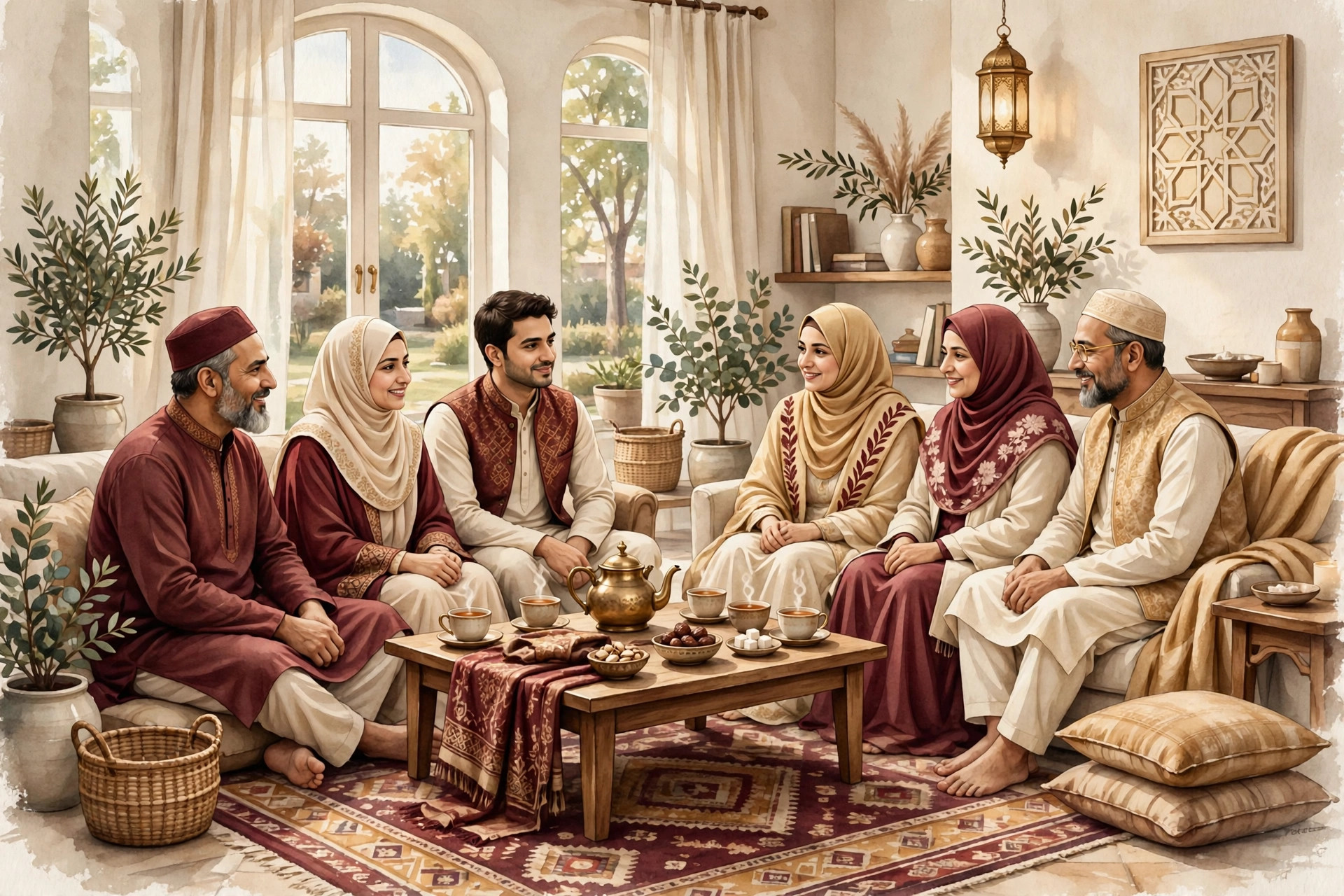
A first meeting goes best in a neutral, comfortable setting — typically the young lady’s family home or a neutral family space, with family members present. Many scholars advise that the meeting should happen with a mahram present for the woman, and keeping things in the presence of family protects everyone’s dignity and keeps the conversation natural and unpressured.
Keep the first meeting simple. A short visit of an hour or two is plenty. Long, exhausting sessions put pressure on everyone and rarely lead to better decisions. The goal of the first meeting is not to decide everything — it is to see whether there is enough promise to continue talking.
Arrive with good intentions and make a brief dua beforehand. You are meeting a fellow Muslim with dignity and respect, whatever the outcome. That intention alone changes the tone of the whole evening.
Etiquette That Speaks Volumes
Good manners in the first meeting say more about a person’s character than any credential ever could.
For the visiting family: arrive on time, dress respectfully, bring a small gift for the host family if it is customary, and treat everyone in the home — from grandparents to young children — with warmth. How someone treats the people who serve the tea often reveals more than how they treat the hosts.
For everyone at the table: listen more than you talk. Put the phone away. Give your full attention to the people in front of you. And remember that the other side is nervous too — a kind word or a bit of humor can ease the room more than a perfect list of accomplishments.
Respect boundaries. In many families, the young man and woman are given some time to speak with each other while remaining within sight or earshot of family. Honor whatever boundaries the hosting family sets. How a person responds to limits says a great deal about how they will respond to them in marriage.
Questions Worth Asking
Move past the small talk and the resume recap — you already know those from the profile. The first meeting is your chance to explore the person behind the facts.
About deen and values: How does faith show up in their daily life? What does a regular week look like — prayer, family time, community involvement? Values questions matter more than ritual questions, because you are trying to understand what actually guides their choices.
About life vision: Where do they see themselves in five years — city, career, family size? What does an ideal weekend look like? These questions reveal whether your visions of a good life are compatible, which is far more predictive than shared hobbies.
About family: How do they describe their relationship with their parents? What role does extended family play in their life? Remember — you are not just marrying a person; you are joining two families. Understanding their family culture early prevents painful surprises later.
About the hard things: How do they handle disagreements? What is something they have been working to improve about themselves? Nobody is perfect, but a person who can name their own shortcomings honestly is someone you can grow with.
You do not need to ask everything in one meeting. In fact, you shouldn’t. The first meeting should feel like a conversation, not an interview.
What to Observe (Beyond the Answers)
Words matter, but what you notice between the words matters too.
How they speak about others. Does the person speak kindly about their parents, siblings, colleagues? Or is there a pattern of blame and criticism? The way someone talks about people who aren’t in the room is the way they will one day talk about you.
How they handle imperfection. Maybe the tea spills. Maybe a sibling says something awkward. Maybe the power cuts out for five minutes. Watch how they respond to small disruptions — grace under minor pressure hints at grace under major pressure.
How the families interact. Chemistry isn’t just between two people. Notice how the two families relate to each other. Warmth, mutual respect, and easy conversation between families is a green flag that will matter for decades to come.
Your own heart. After the meeting, notice how you feel — not just excited or disappointed, but at peace or uneasy. Your feelings are not the whole story, but they are part of the data. Many scholars advise paying attention to whether your heart settles toward the matter, alongside the practical observations.
After the Meeting: What Comes Next
Resist the urge to decide everything on the drive home. Give it a day or two. Discuss with your parents what you each noticed — they often pick up things you missed, and you often pick up things they missed.
If there is interest on both sides, a second meeting or a few more guided conversations can deepen your understanding. If either side is unsure, it is perfectly dignified to say so kindly and move on. A clear, gentle no early on is far kinder than a dragged-out maybe.
And if the meeting leaves both sides hopeful — alhamdulillah. Pray istikhara, take the next step with confidence, and trust the process.
A Closing Thought
The first meeting is not a performance and not an exam. It is two families, two people, showing up honestly to explore whether Allah has written something beautiful for them together. Approach it with good manners, ask with genuine curiosity, observe with a clear eye — and leave the outcome with Allah.
When your family is ready to start the search in an organized, dignified way, MuslimMatchByParents.com was built for parent-led matchmaking — serious families, structured profiles, and real conversations. Join today for a $29 one-time payment: lifetime access, no monthly fees.

