
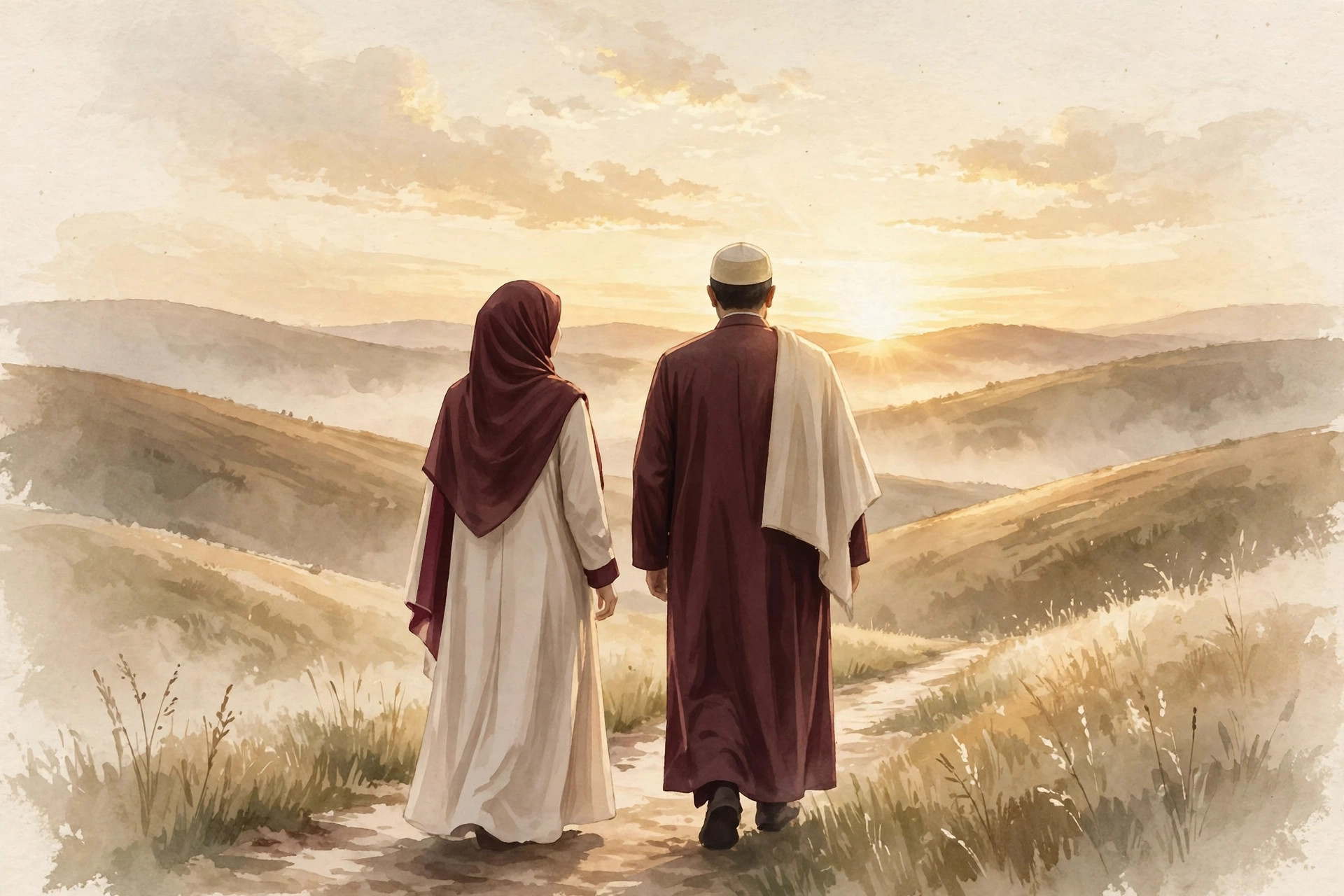
Divorced and Widowed Singles: A Dignified Path Back to Marriage
For many divorced or widowed Muslims, the hardest part of searching for a spouse again is not the search itself — it is the quiet voice that says the door has closed. In our communities, a divorce or the loss of a spouse can come with whispers, pity, or unfair judgment. Some parents worry what people will think. Some singles feel their story disqualifies them from the kind of dignified, joyful marriage they once hoped for.
Let us say this clearly: it does not. Our deen has never treated a previous marriage as a flaw. The Prophet Muhammad ﷺ himself married widows and divorced women, and many of the most honored women in Islamic history had been married before. A past marriage — whatever its ending — is not a mark against you. It is a chapter of your life, and chapters end so that new ones can begin.
If you are divorced or widowed, or you are the parent of someone who is, here is a gentle, practical guide to walking the path back to marriage with dignity intact.
Let Go of the Story That It Is Too Late
The first obstacle is often internal. Divorce can leave behind shame, even when it was the right decision. Widowhood can leave behind grief that makes the idea of marrying again feel like a betrayal. Both feelings are human, and both deserve compassion — not permanence.
Many scholars advise taking time to heal before re-entering the search. This is not avoidance; it is wisdom. A heart that has made peace with its past can love more freely and choose more clearly. If you are still raw from the ending, give yourself room to breathe, to grieve, to rebuild. There is no deadline on this, and anyone who rushes you is not thinking of your best interest.
Parents: the single most powerful thing you can do for your divorced or widowed child is to refuse the shame narrative in your own home. Do not treat their situation as a tragedy to hide or a failure to manage. Treat it as what it is — a human experience — and they will walk into their next chapter with their head held high.
Be Honest About What Happened — Wisely
One of the most common questions is: how much do I tell a potential spouse and their family? Honesty is essential in the rishta process, but honesty does not mean telling everything to everyone at the first meeting.
A sensible approach is to share the facts that matter — that a previous marriage ended in divorce or in the death of a spouse, and briefly why — at a natural point in the conversation, ideally early enough that nothing feels hidden. You do not need to narrate every detail of the breakdown. Share what a future spouse needs to know to make an informed decision: the important lessons, any ongoing responsibilities such as children, and your readiness to marry again.
And for families on the receiving end: receive this information with grace. A divorced woman or man is not required to justify themselves. A widowed person is not “damaged goods” — a phrase that should never be attached to anyone. Ask your questions with adab, listen without interrogation, and judge the person in front of you, not their past.
Children Change the Conversation — They Should Not End It
For divorced and widowed parents of young children, the search for a spouse comes with an extra layer of care. Will the new spouse accept my children? Will my children accept them? These are real questions, and they deserve real attention.
Many scholars advise that when children are involved, their wellbeing should be part of the conversation from the beginning — not as a barrier to marriage, but as something a good marriage will honor. A serious proposal should include honest discussion about how a blended household will work: living arrangements, parenting roles, financial responsibilities, and the children’s relationship with their other parent where relevant.
None of this makes the search impossible. Across our communities, blended Muslim families are thriving — often precisely because both partners entered the marriage with open eyes, mature expectations, and deep appreciation for each other. A person who steps forward to be a step-parent is showing a beautiful kind of courage. Recognize it as such.
Watch for the “Settling” Trap
Here is a trap worth naming: the belief that a divorced or widowed person should accept less — less respect, less compatibility, less care — because “beggars can’t be choosers.” This thinking sometimes comes from well-meaning relatives who fear the person will be left alone. It is harmful, and it is wrong.
Having been married before often means you know yourself better, know what you need, and know what to avoid. That is an advantage, not a handicap. Do not let anyone — not an auntie, not a matchmaker, not your own self-doubt — convince you that your standards should drop because of your past. The deen’s criteria for a good spouse — character, deen, kindness — apply to every marriage, first or fifth.
Parents, be the guardians of your child’s dignity here. If a proposal arrives with the unspoken message that your child should be grateful anyone is asking, that is information about the proposer, not about your child’s worth.
A Note on the Community’s Role
Our communities can do better by divorced and widowed singles. Too often, the community rallies around a wedding and goes quiet around a divorce — as if the person’s need for belonging ended with the marriage. The same aunties and uncles who network tirelessly for never-married singles sometimes have nothing to say when a divorced daughter or widowed son needs help finding a match.
If we believe marriage is half our deen, then facilitating remarriage is a communal good. Speak about it openly. Include divorced and widowed singles in your matchmaking conversations without lowering your voice. The stigma survives only where the community keeps feeding it — and it starves where the community refuses.
Moving Forward With Hope
There is a beautiful promise in the Quran: “Allah does not burden a soul beyond what it can bear.” If you have walked through the ending of a marriage, you have already proven a strength you may not recognize in yourself. The path back to marriage does not ask you to erase that chapter — it asks you to carry its lessons forward with grace.
Many scholars advise that the best preparation for a new marriage is a healed heart, clear eyes, and sincere dua. You have all of those within reach. Your story is not over. In fact, for many people, the marriage that comes after the hardship is the one where they finally understand what love, mercy, and tranquility really mean.
And if you are searching for that new beginning, you do not have to do it the lonely way. At MuslimMatchByParents.com, families connect in an organized, parent-led process built on dignity and deen — no swiping, no guesswork, no games. Lifetime access is just $29, a one-time payment with no monthly fees, because finding the right person should not come with a subscription.
May Allah grant every divorced and widowed single among us a righteous spouse, a peaceful home, and a love that heals what came before. Ameen.

